Addiction Recovery
Supporting Your Brain's Healing Process
Addiction changes the brain. Neurofeedback supports your recovery by helping to retrain the reward circuits, reduce cravings, and strengthen emotional resilience — working alongside your existing treatment programme.
Human care powered by advanced clinical technology.
Why the Brain Matters in Recovery
Addiction is not simply a matter of willpower. Substance use physically alters the brain's reward pathways, stress response systems, and prefrontal decision-making centres. Over time, these changes make it increasingly difficult to resist cravings and maintain emotional balance — even when someone is deeply committed to recovery.
Neurofeedback offers a supportive, non-invasive way to address these underlying brain patterns. By training specific neural pathways, it can help restore healthier communication between the brain's reward system and its regulatory centres. This is not a replacement for your treatment programme — it is a complementary tool that works alongside therapy, counselling, and medical support.
At Inna MediSync, we approach addiction recovery with compassion, discretion, and clinical rigour. Every protocol is guided by your personal QEEG brain map, ensuring that training targets the specific patterns most relevant to your recovery journey.
How Neurofeedback Supports Recovery
Reward Circuit Rebalancing
Addiction disrupts dopamine pathways. Neurofeedback helps retrain these circuits, supporting the brain in finding reward through healthier patterns rather than substance-driven stimulation.
Cravings Reduction
By training the brain to regulate its own arousal and stress responses, neurofeedback can help reduce the intensity and frequency of cravings — a key factor in sustained recovery.
Emotional Regulation
Many individuals in recovery experience emotional volatility. Neurofeedback strengthens prefrontal cortex function, supporting calmer, more measured emotional responses.
Stress Resilience
Stress is one of the most common triggers for relapse. Training the brain's stress response systems helps build resilience, making it easier to navigate difficult moments without turning to substances.
Ready to find out if this approach is right for you? Our clinical team can guide you.
What to Expect
Confidential Assessment
A private, compassionate consultation to understand your history, recovery stage, and goals. Everything shared remains strictly confidential.
60 min · PrivateQEEG Brain Map
A non-invasive brain map identifies the specific neural patterns associated with your addiction, providing the clinical foundation for your personalised protocol.
19-Channel · QEEGNeurofeedback Training
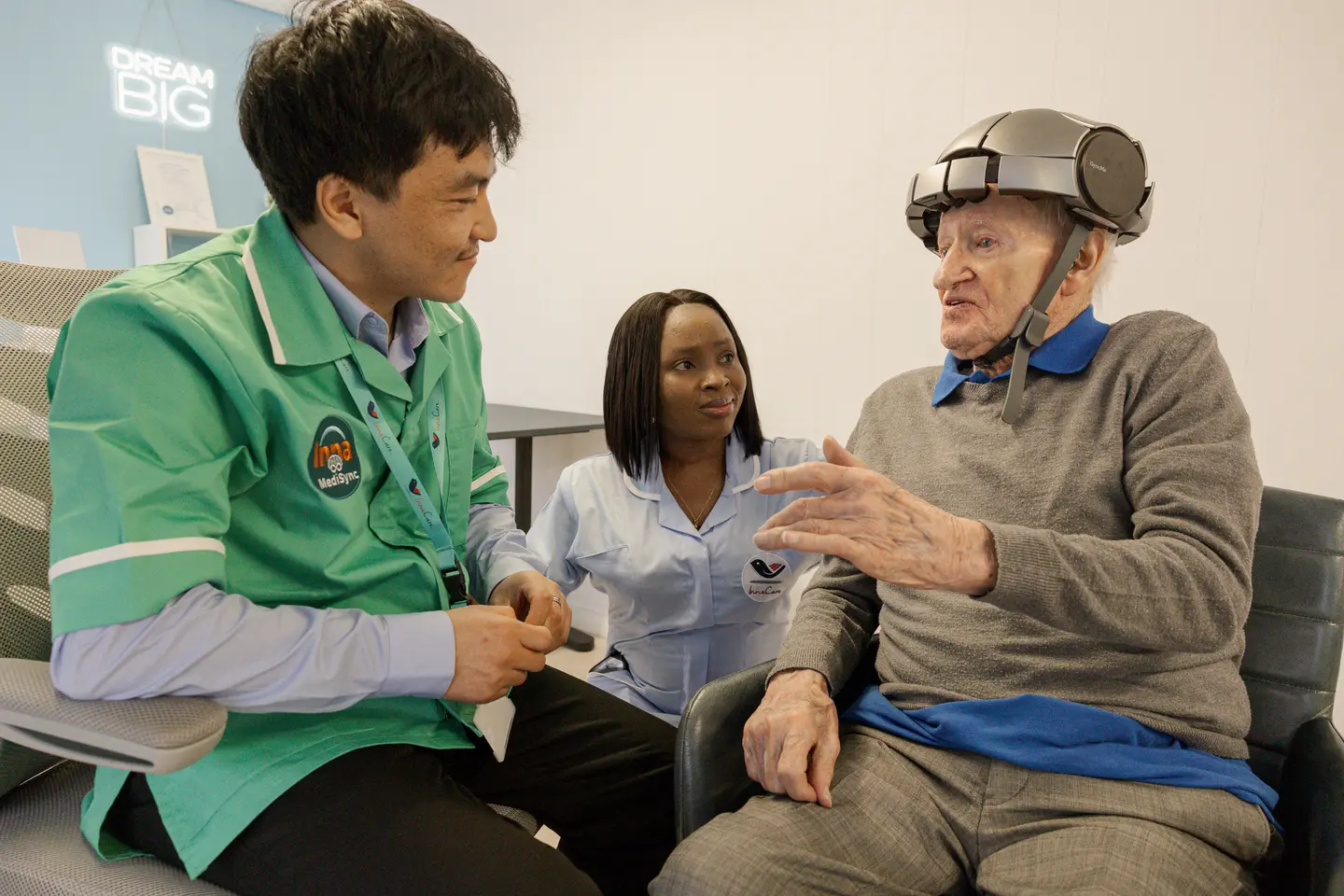
Using established protocols such as Scott/Kaiser, your brain receives real-time feedback to encourage healthier patterns. Sessions are calm, comfortable, and drug-free.
Scott/Kaiser ProtocolsProgress Review
Regular reassessments track your brain's progress. Protocols are adjusted as your recovery advances, ensuring training remains relevant and effective.
Ongoing · AdaptiveClinical Foundations
Neurofeedback supports recovery but does not replace addiction treatment programmes. Always work with your treatment team.
Who Can Benefit
Neurofeedback can support individuals at various stages of recovery. Whether you are in early sobriety or maintaining long-term recovery, brain training can be a valuable addition to your support network.
Not sure if it's right for you?
Book a private 15-minute phone consultation. Our clinical team will listen carefully and advise whether this is the appropriate path for you.
Frequently Asked Questions
Ready to support your recovery?
Book a confidential consultation at our private Romford clinic. We will listen carefully, answer your questions, and advise whether neurofeedback is appropriate for your recovery journey.