
Chronic Pain & Fibromyalgia
Brain-Based Pain Management
Chronic pain is not just in the body — it is processed, amplified, and maintained by the brain. Neurofeedback addresses pain at the neural level, helping to calm overactive pain processing centres and reduce reliance on medication.
Adding life to years.
Human care powered by advanced clinical technology.
The Brain's Role in Pain
When pain persists beyond the expected healing period, it often reflects changes in how the brain processes pain signals rather than ongoing tissue damage. This phenomenon, known as central sensitisation, means the brain's pain processing networks have become amplified — interpreting normal sensory input as painful and maintaining pain long after the original cause has resolved.
Fibromyalgia and many chronic pain conditions share this pattern of heightened neural sensitivity. Brain imaging studies consistently show altered activity in pain processing regions, including the somatosensory cortex, insular cortex, and anterior cingulate. These are not imagined changes — they are measurable, functional differences in brain activity.
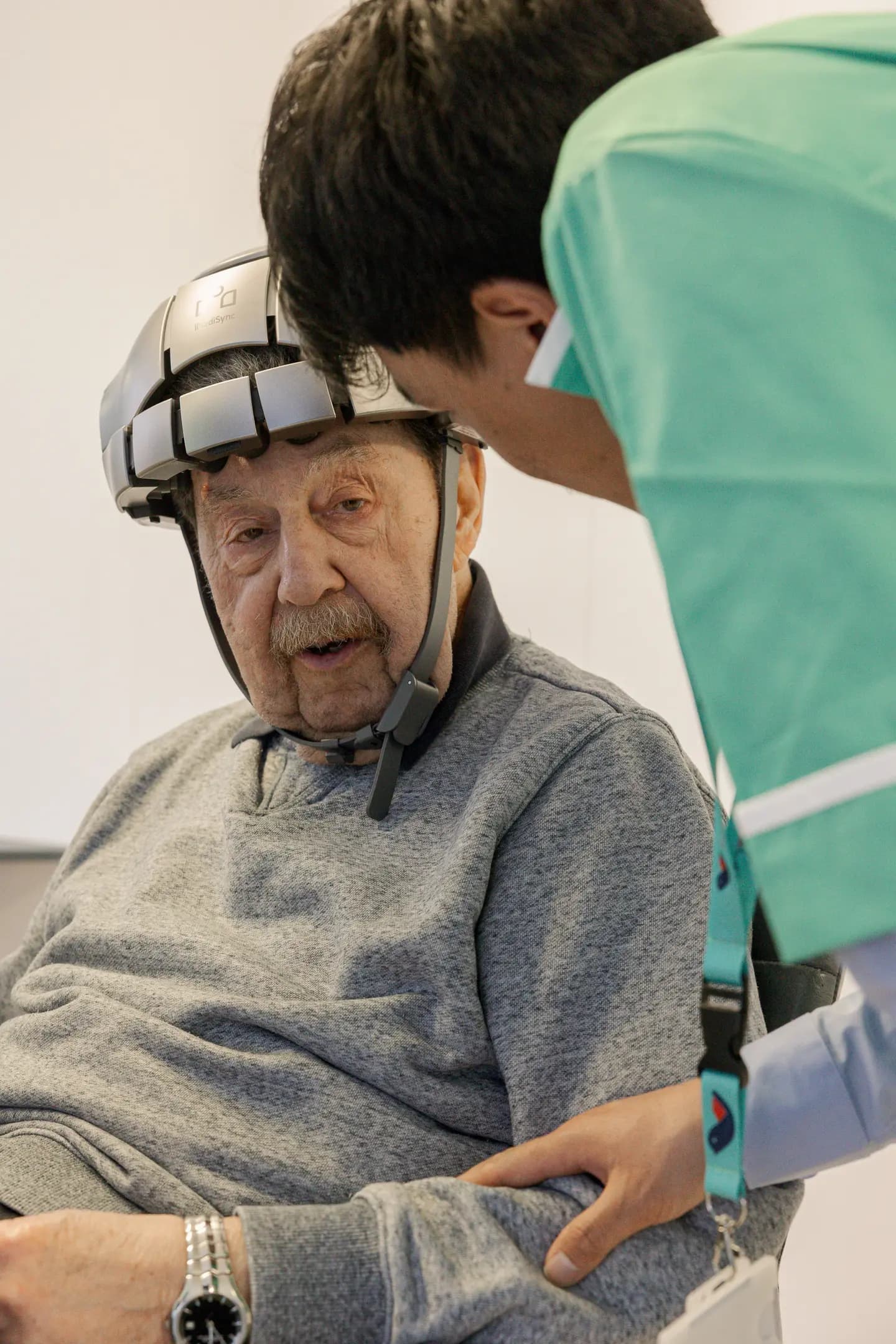
Neurofeedback offers a way to address pain at its source: the brain. By training the neural networks involved in pain perception and modulation, it can help reduce the amplification that keeps chronic pain active. Additionally, transcranial photobiomodulation (tPBM) may support pain management by reducing neuroinflammation and enhancing cerebral blood flow. Both approaches are available via the iSyncMe device, offering a drug-free, non-invasive complement to your existing pain management plan.
How Neurofeedback Addresses Chronic Pain
Central Sensitisation
QEEG can identify the overactive brain patterns characteristic of central sensitisation. Neurofeedback trains these areas toward more balanced activity, reducing the amplification of pain signals at the neural level.
Pain Modulation Networks
The brain has its own pain modulation system. Neurofeedback supports the strengthening of descending inhibitory pathways — your brain's natural mechanism for turning down pain volume.
Sleep and Recovery
Chronic pain and poor sleep create a vicious cycle. Neurofeedback can improve sleep architecture by training healthier delta and theta patterns, supporting the restorative sleep essential for pain recovery.
Reducing Medication Reliance
As the brain learns to better modulate pain signals, many individuals find they can gradually reduce their reliance on pain medication — always in consultation with their prescribing doctor.
Ready to find out if this approach is right for you? Our clinical team can guide you.
What to Expect
Comprehensive Assessment
A detailed private consultation to understand your pain history, current treatments, medications, and how pain affects your daily life. We take the time to listen.
60 min · ThoroughQEEG Brain Map
A non-invasive brain map identifies the specific neural patterns associated with your pain experience, including markers of central sensitisation and disrupted pain processing.
19-Channel · QEEGNeurofeedback Training
Personalised protocols target the brain regions involved in your pain processing. Sessions are comfortable and relaxing — many clients find the training itself provides temporary relief.
Targeted · ComfortableProgress Review
Regular reassessments track changes in both brain patterns and your subjective pain experience. Protocols are adjusted to ensure continued progress toward your goals.
Ongoing · AdaptiveClinical Foundations
Neurofeedback is a complementary approach to pain management. Always consult your pain specialist or GP.
Who Can Benefit
Neurofeedback for chronic pain is suitable for individuals living with persistent pain conditions who are seeking additional, non-pharmacological support alongside their existing care.
Not sure if it's right for you?
Book a private 15-minute phone consultation. Our clinical team will listen carefully and advise whether this is the appropriate path for you.
Frequently Asked Questions
Ready to address pain at the source?
Book a private consultation at our Romford clinic. We will assess your situation, explain how brain-based pain management works, and advise whether neurofeedback is appropriate for you.