Epilepsy
Brain Mapping & Neurofeedback Support
Neurofeedback was one of the very first clinical applications of brainwave training. QEEG brain mapping provides valuable insight into seizure-related brain patterns, while neurofeedback can complement your neurological care to support seizure frequency reduction.
Human care powered by advanced clinical technology.
The Role of Brain Mapping in Epilepsy
Epilepsy involves abnormal electrical activity in the brain. While neurological assessment and medical imaging remain the cornerstone of diagnosis and management, QEEG brain mapping offers a complementary window into your brain's electrical function. It can reveal patterns of dysregulation that may be relevant to seizure activity.
Neurofeedback for epilepsy has one of the longest research histories in the field — it was among the original applications explored by early neurofeedback researchers in the 1970s. Decades of clinical work have refined protocols that aim to train the brain toward more stable electrical patterns, potentially reducing seizure frequency as a complement to medication.
It is essential to emphasise that neurofeedback does not replace neurological care. At Inna MediSync, we work alongside your medical team, providing additional data and training that can support your overall management plan. We will always recommend neurologist referral where appropriate.
How Neurofeedback Supports Epilepsy Management
Identifying Electrical Dysregulation
QEEG brain mapping can reveal patterns of abnormal electrical activity across 19 cortical sites. This data provides your clinical team with additional functional information about your brain's behaviour.
Training Toward Stability
Neurofeedback protocols for epilepsy focus on encouraging more stable brainwave patterns. By training specific frequency bands, the brain learns to self-regulate and reduce the occurrence of abnormal discharges.
Sensorimotor Rhythm Training
SMR (sensorimotor rhythm) training is one of the most established protocols in epilepsy neurofeedback. It promotes the production of stable 12-15 Hz rhythms associated with calm alertness and reduced seizure susceptibility.
Complementing Medical Management
Neurofeedback does not interfere with anti-epileptic medication. It provides an additional layer of support, working with your neurologist's treatment plan rather than against it.
Ready to find out if this approach is right for you? Our clinical team can guide you.
What to Expect
Clinical Assessment
A thorough private consultation to understand your seizure history, current medication, and goals. We will request information from your neurologist where appropriate.
60 min · CollaborativeQEEG Brain Map
A non-invasive 19-channel brain map captures your brain's electrical activity, identifying patterns of dysregulation relevant to your seizure profile.
19-Channel · QEEGNeurofeedback Training
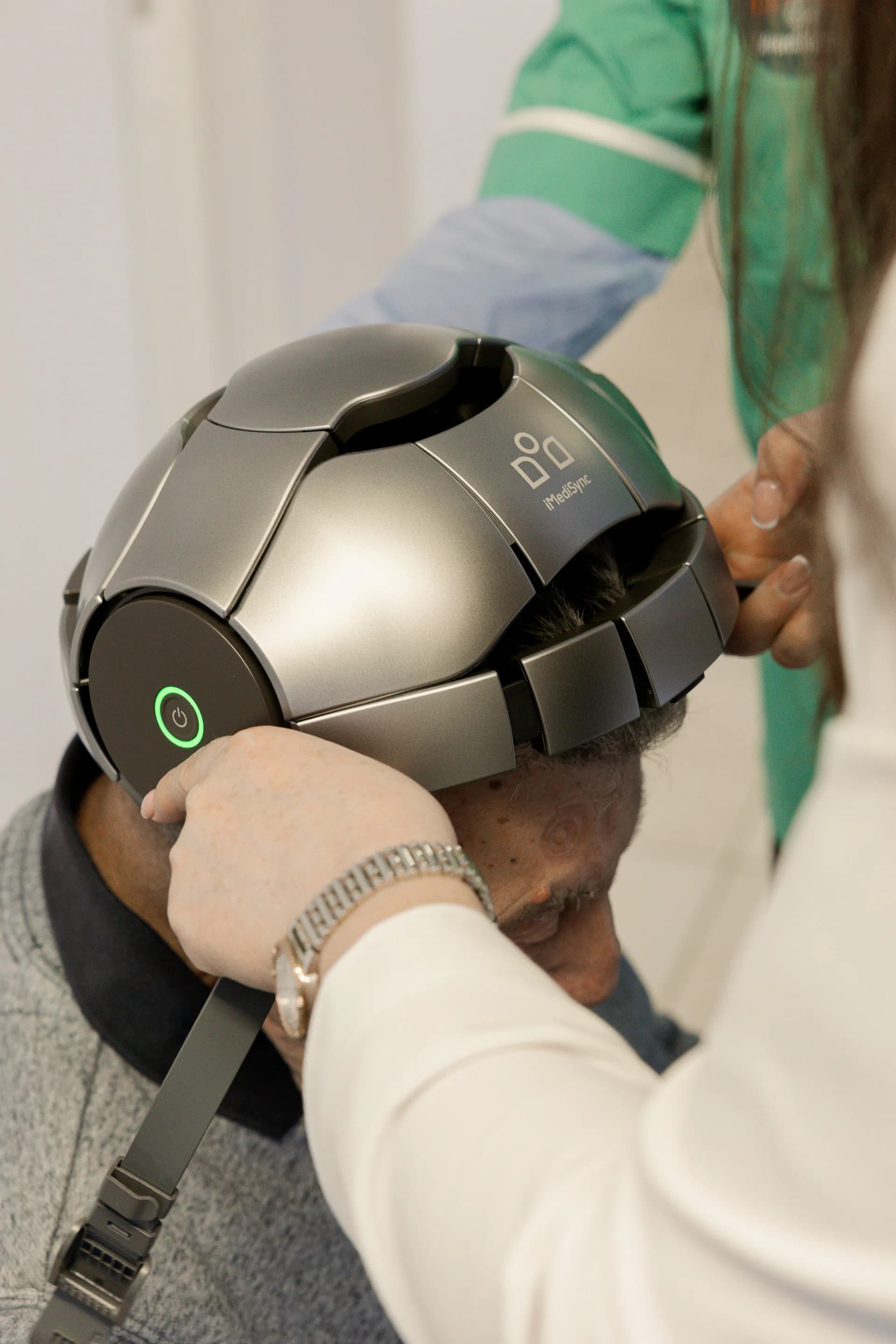
Personalised protocols, including SMR training, work to encourage more stable electrical patterns. Sessions are gentle, comfortable, and entirely non-invasive.
SMR · PersonalisedProgress Review
Regular reassessments with follow-up brain maps track changes in electrical patterns. Findings can be shared with your neurologist to inform ongoing care.
Collaborative · Data-DrivenClinical Foundations
Neurofeedback does not replace neurological care. Always consult your neurologist before starting any complementary therapy.
Who Can Benefit
Neurofeedback for epilepsy is a complementary approach. It is most appropriate for individuals who are already under neurological care and are seeking additional support.
Not sure if it's right for you?
Book a private 15-minute phone consultation. Our clinical team will listen carefully and advise whether this is the appropriate path for you.
Frequently Asked Questions
Ready to explore complementary support?
Book a private consultation at our Romford clinic. We will discuss how brain mapping and neurofeedback can complement your existing neurological care.