Supporting Brain Health in Later Life: Neurotherapy for Seniors and Cognitive Decline
How the Brain Changes with Age
The brain is remarkable in its ability to adapt and reorganise throughout life — a quality neuroscientists call neuroplasticity. However, like any organ, the brain undergoes changes as we age. Processing speed may gradually slow, working memory may become less reliable, and the ability to sustain attention over long periods may diminish. These changes are a normal part of ageing, not a sign of failure.
What matters is how we respond to these changes. Research increasingly suggests that early, proactive support for brain health can make a meaningful difference to cognitive function, emotional wellbeing, and quality of life in later years. At Inna MediSync in Romford, Essex, we offer evidence-informed neurotherapy approaches designed to support the ageing brain with care, precision, and respect.
Recognising Early Signs of Cognitive Change
Cognitive changes associated with ageing can be subtle and gradual. They often include:
- Memory: Difficulty recalling names, misplacing items more frequently, or taking longer to learn new information
- Attention: Finding it harder to concentrate on tasks, especially in noisy or distracting environments
- Processing speed: Tasks that were once quick and automatic taking noticeably longer
- Mood: Increased irritability, low mood, or emotional sensitivity
- Sleep: Changes in sleep quality, difficulty falling or staying asleep, or waking unrefreshed
These signs do not necessarily indicate dementia or a serious neurological condition. They may simply reflect the brain's changing needs. But they are also signals that the brain could benefit from targeted support — and the earlier that support begins, the more effective it tends to be.
How Brain Mapping Can Help
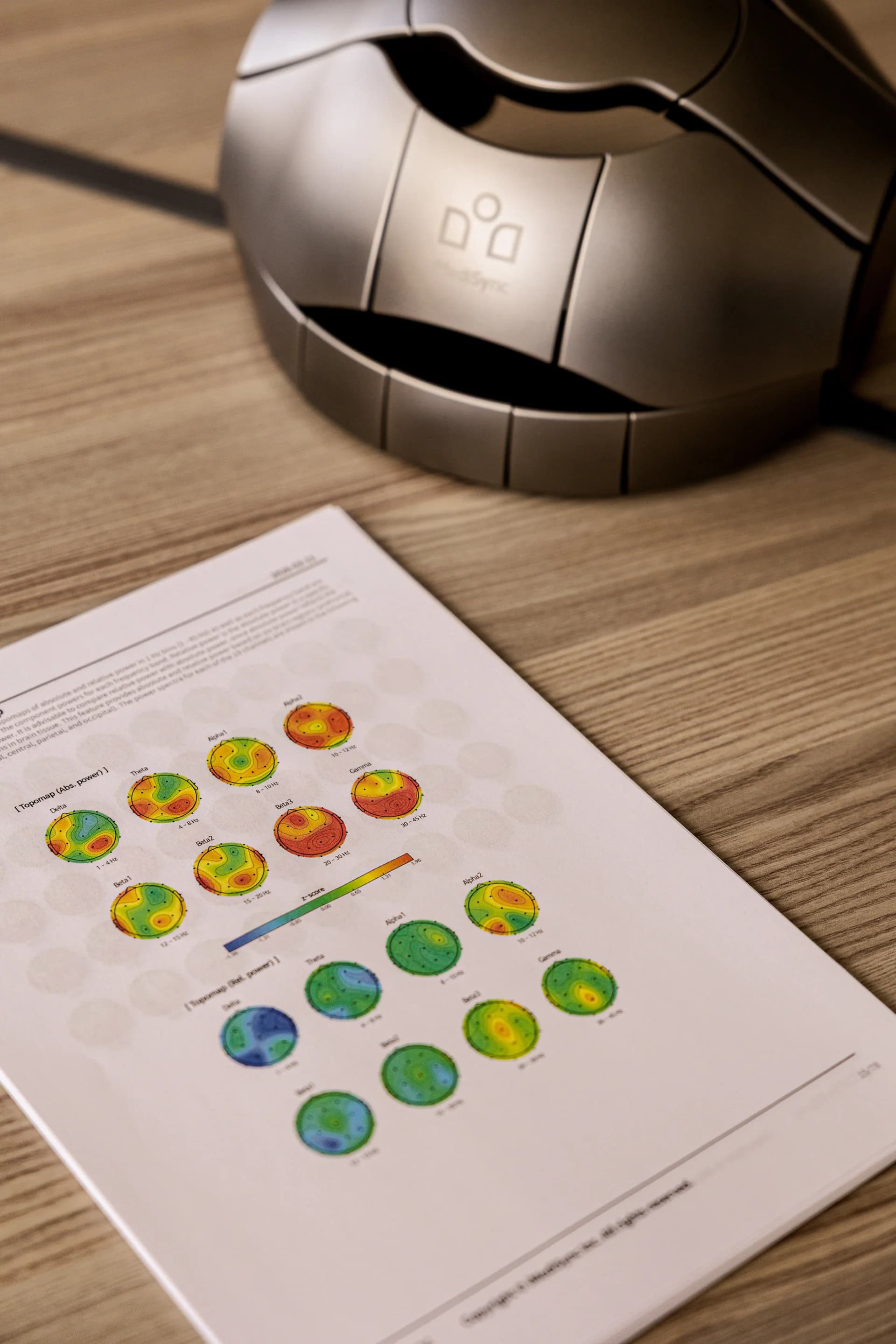
A Brain Mapping (qEEG) assessment provides a detailed picture of brain activity at every stage of life. By recording and analysing brainwave patterns across 19 channels, we can identify specific areas where the brain's electrical activity has shifted from healthy norms.
For older adults, brain mapping can reveal patterns associated with reduced processing efficiency, attention difficulties, or emotional dysregulation. This data is valuable because it moves the conversation from vague concerns — "I feel like my memory isn't what it used to be" — to objective, measurable information that can guide a personalised support plan.
The assessment is non-invasive, painless, and takes just 7 minutes for the recording. Results are reviewed during a dedicated consultation where your practitioner explains every finding in clear, accessible language.
The Role of Neurofeedback in Later Life
Neurofeedback helps the brain learn to regulate its own activity through real-time feedback. For older adults, neurofeedback protocols can target:
- Attention and focus — supporting the brain's ability to sustain concentration
- Emotional regulation — helping to stabilise mood and reduce irritability
- Sleep architecture — training the brain to transition more smoothly into restorative sleep
- Cognitive flexibility — supporting the brain's ability to shift between tasks and process information efficiently
Neurofeedback is non-invasive, drug-free, and safe for elderly individuals. Sessions are comfortable — you simply sit and watch a visual display while your brain does the learning. Many older clients find the process enjoyable and report looking forward to their sessions.
The Role of PBM Care in Later Life
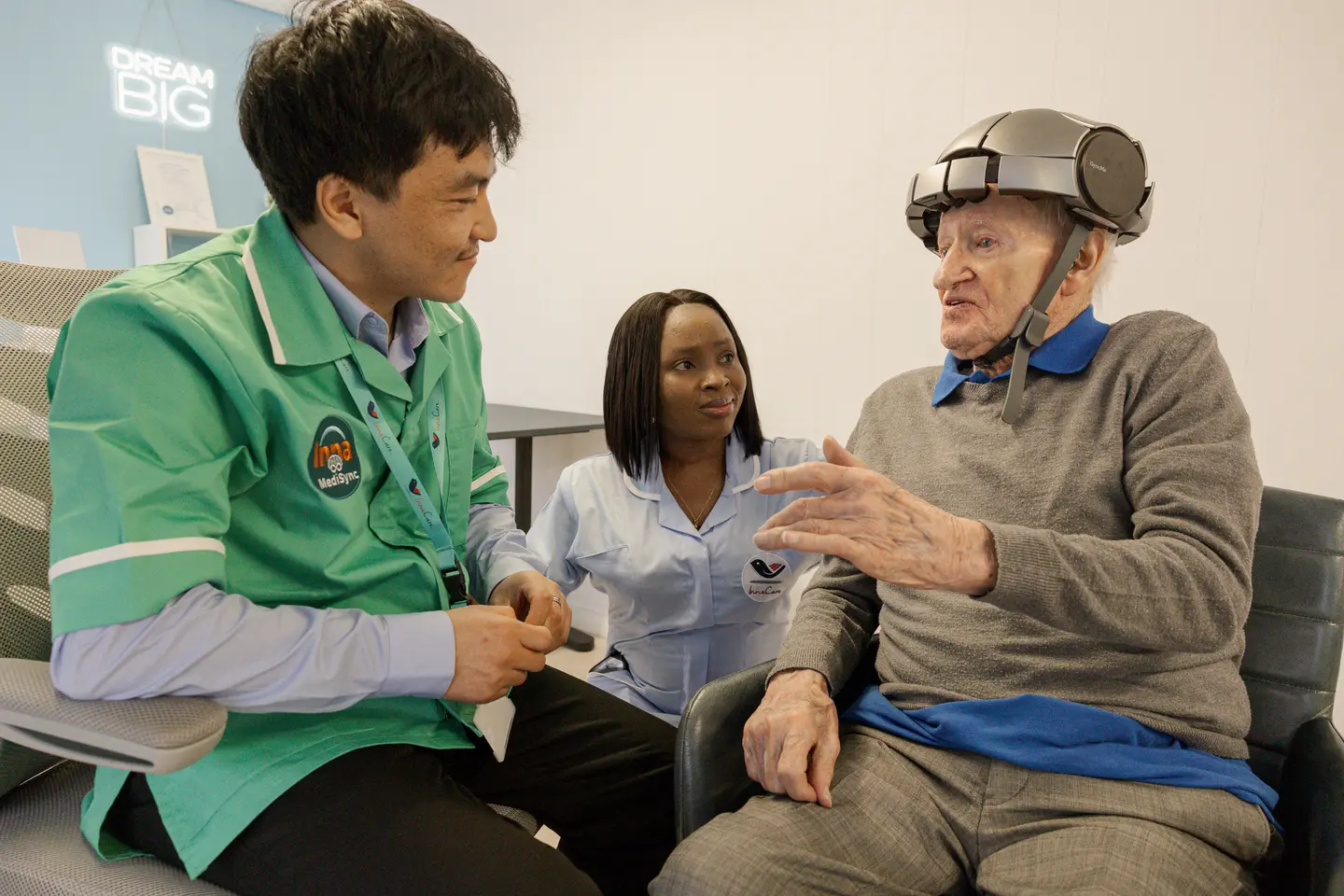
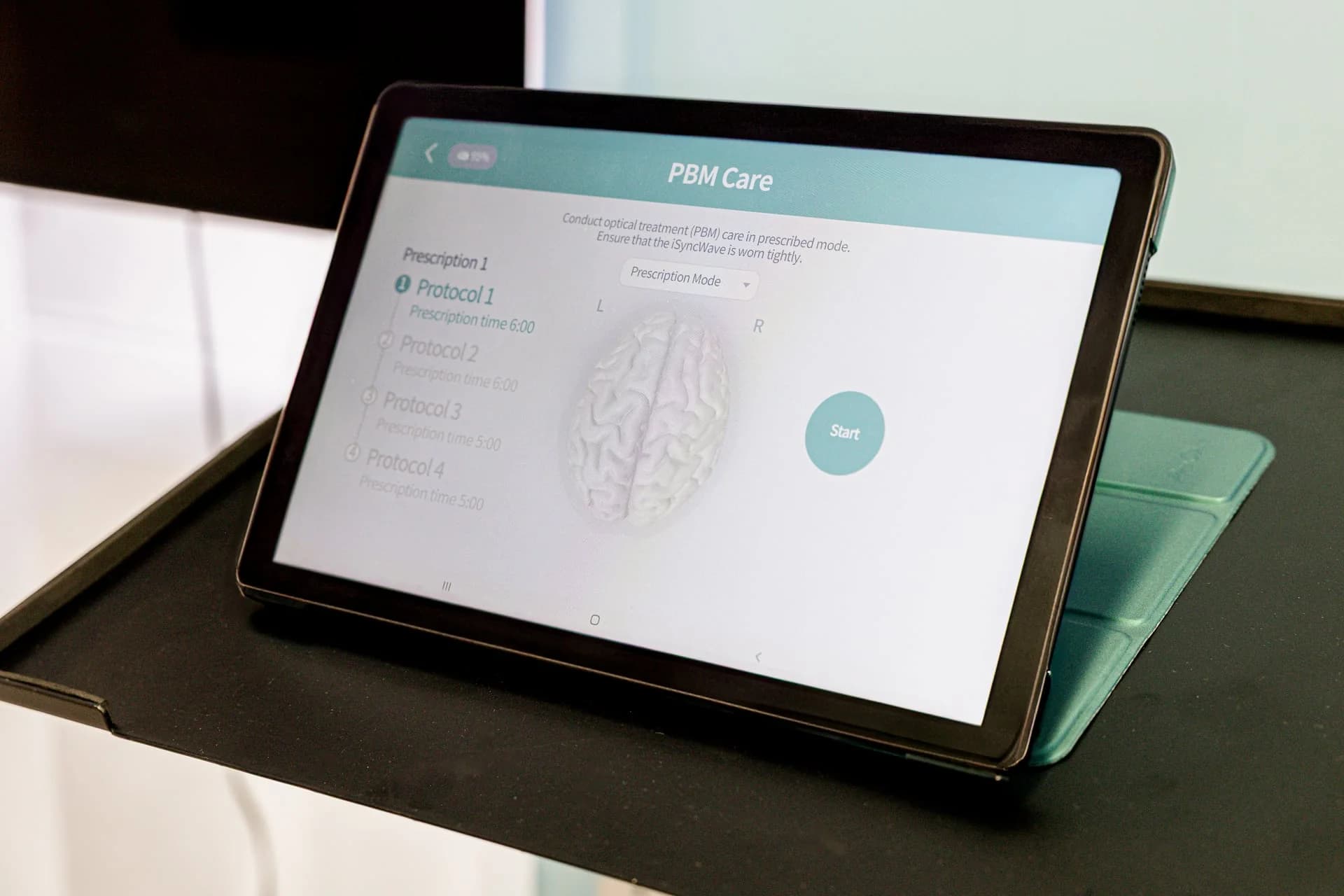
Photobiomodulation (PBM Care) offers a complementary approach by supporting the brain at the cellular level. As the brain ages, mitochondrial function — the cellular energy production that powers every thought, memory, and emotion — naturally declines. PBM Care delivers near-infrared light through the iSyncMe device, which research suggests may help support mitochondrial energy production and cerebral blood flow.
For older adults, PBM Care may be particularly relevant because of its potential to:
- Support cellular energy production in ageing brain cells
- Help maintain cerebral blood flow and oxygen delivery
- Reduce neuroinflammation — a factor research has associated with cognitive decline
- Support neuroplasticity — the brain's ability to form and maintain connections
PBM Care sessions are 20 to 30 minutes, completely non-invasive, and painless. There is no downtime, and the approach is gentle enough for elderly individuals, including those in care home settings.
Cognitive Health Programme for Care Homes
Inna MediSync offers an on-site Cognitive Health Programme designed specifically for care homes and assisted living facilities. Using portable equipment, our team delivers brain mapping assessments, neurotherapy sessions, and PBM Care directly within the care setting.
A typical half-day on-site clinic includes brain health screening for residents, personalised neurotherapy sessions, PBM Care sessions, and individual recommendations. Pricing ranges from £1,500 to £2,500 depending on the number of residents supported.
We work alongside care staff to minimise disruption to residents' routines. Each resident receives an individualised assessment, and we provide recommendations to the care home team on how to support ongoing cognitive wellbeing.
The Dementia Brain Support Programme
For individuals experiencing cognitive decline, memory loss, or symptoms associated with dementia or mild cognitive impairment (MCI), Inna MediSync offers a dedicated Dementia Brain Support Programme. This programme focuses on non-invasive brain health interventions that may help support mental clarity, emotional regulation, sleep quality, and overall neurological wellbeing.
The programme is suitable for:
- Individuals with mild cognitive impairment (MCI)
- Those experiencing early-to-moderate stage dementia
- Individuals noticing memory decline that concerns them
- Residents in care homes or assisted living
- Families seeking supportive cognitive care for a loved one
We want to be honest about what neurotherapy can and cannot do. We do not claim that neurotherapy reverses dementia. What we offer is a supportive, non-invasive approach that focuses on quality of life — helping individuals maintain function, feel more settled, and engage more fully with the people and activities they care about.
Family Involvement
We encourage family involvement where appropriate. Families often play a crucial role in supporting their loved one's cognitive wellbeing between sessions. We provide guidance on how to support brain health at home and offer regular progress updates as part of every programme.
We understand that seeking brain health support for a parent, partner, or other loved one can feel emotional and uncertain. Our team approaches every conversation with warmth, honesty, and patience. There is no pressure — just a commitment to helping you understand the options available.
What the Research Suggests
Research into neurotherapy for older adults is a growing field. Studies have examined the effects of neurofeedback on attention, memory, and executive function in ageing populations, with several showing promising improvements in cognitive performance after a course of training sessions. Photobiomodulation research has also shown encouraging results in the context of age-related cognitive change, with studies examining its effects on cerebral blood flow, mitochondrial function, and neuroinflammation markers in elderly participants.
We are transparent about the current state of the evidence. Neurotherapy is not a cure for dementia or age-related cognitive decline. What the research suggests — and what we observe in our clinical practice — is that targeted, personalised brain health interventions may support cognitive function, emotional wellbeing, and quality of life. For many families, this represents a meaningful and worthwhile investment.
Getting Started
Whether you are noticing early changes in your own cognitive function, exploring options for a loved one, or managing a care home and interested in our on-site programme, we welcome your enquiry.
Contact us for a personalised consultation. We will listen to your situation, explain what we can offer, and help you decide whether neurotherapy is the right next step. There is no obligation, and every conversation is treated with complete confidentiality and care.
Inna MediSync Clinical Team
Neurotherapy Specialists
The Inna MediSync clinical team brings together certified neurotherapy practitioners with expertise in QEEG brain mapping and neurofeedback. Every article is reviewed for clinical accuracy and reflects our commitment to evidence-informed practice.
Continue Reading
Ready to Explore Neurotherapy?
Take the first step towards understanding your brain. Book a free consultation with our clinical team.